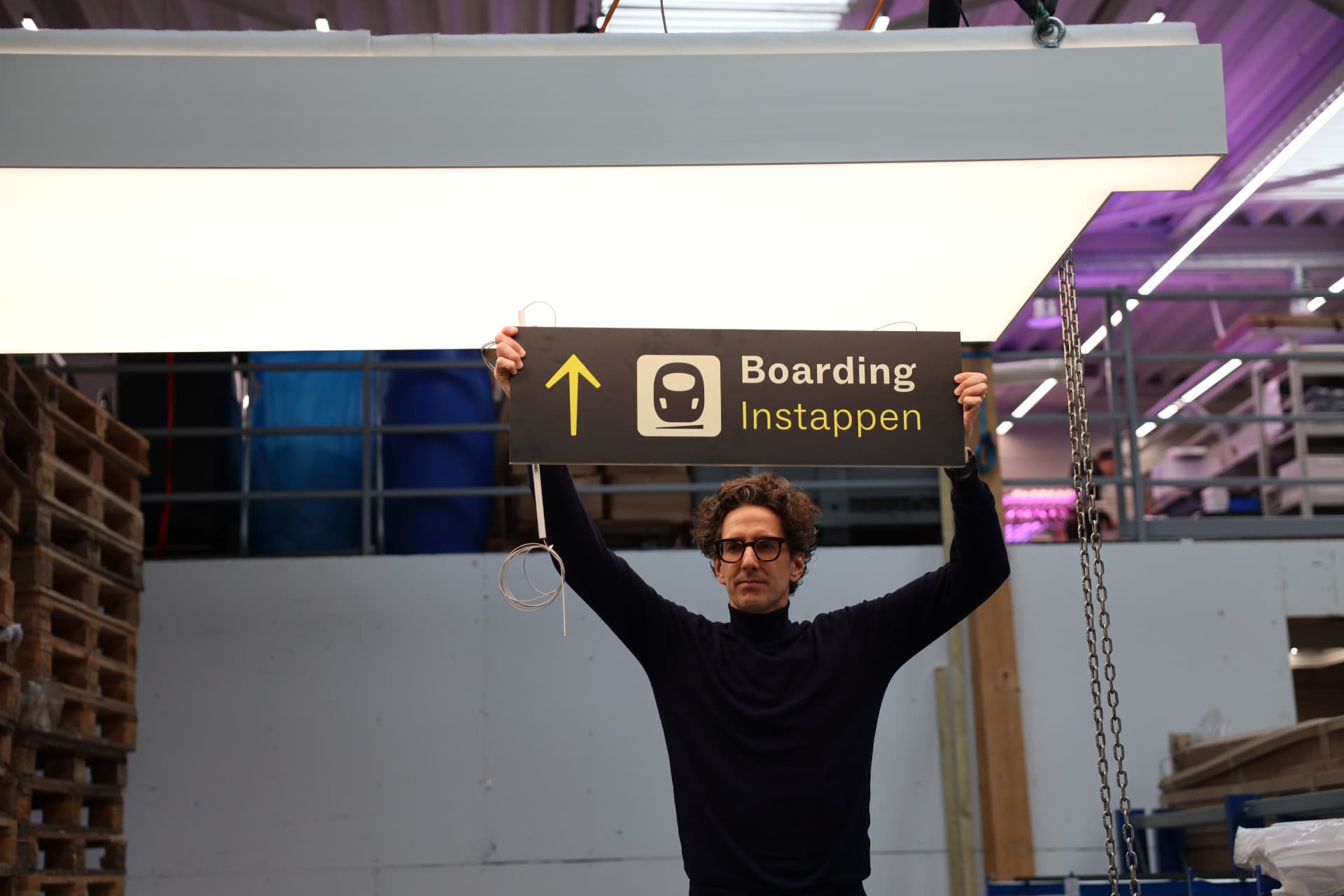
“The perfect design does not exist, but the perfect process does”
Why collaboration between architect, engineer and contractor is at least as important as the design itself.
By Ruben Bergambagt, partner at Superimpose Architecture and co-founder of Concept & Craft.
A good design does not automatically make a good building. Between the first concept and final completion, hundreds of decisions are made about materials, detailing, costs, scheduling and technical feasibility. It is precisely in this translation that the preservation of the original design quality is determined.
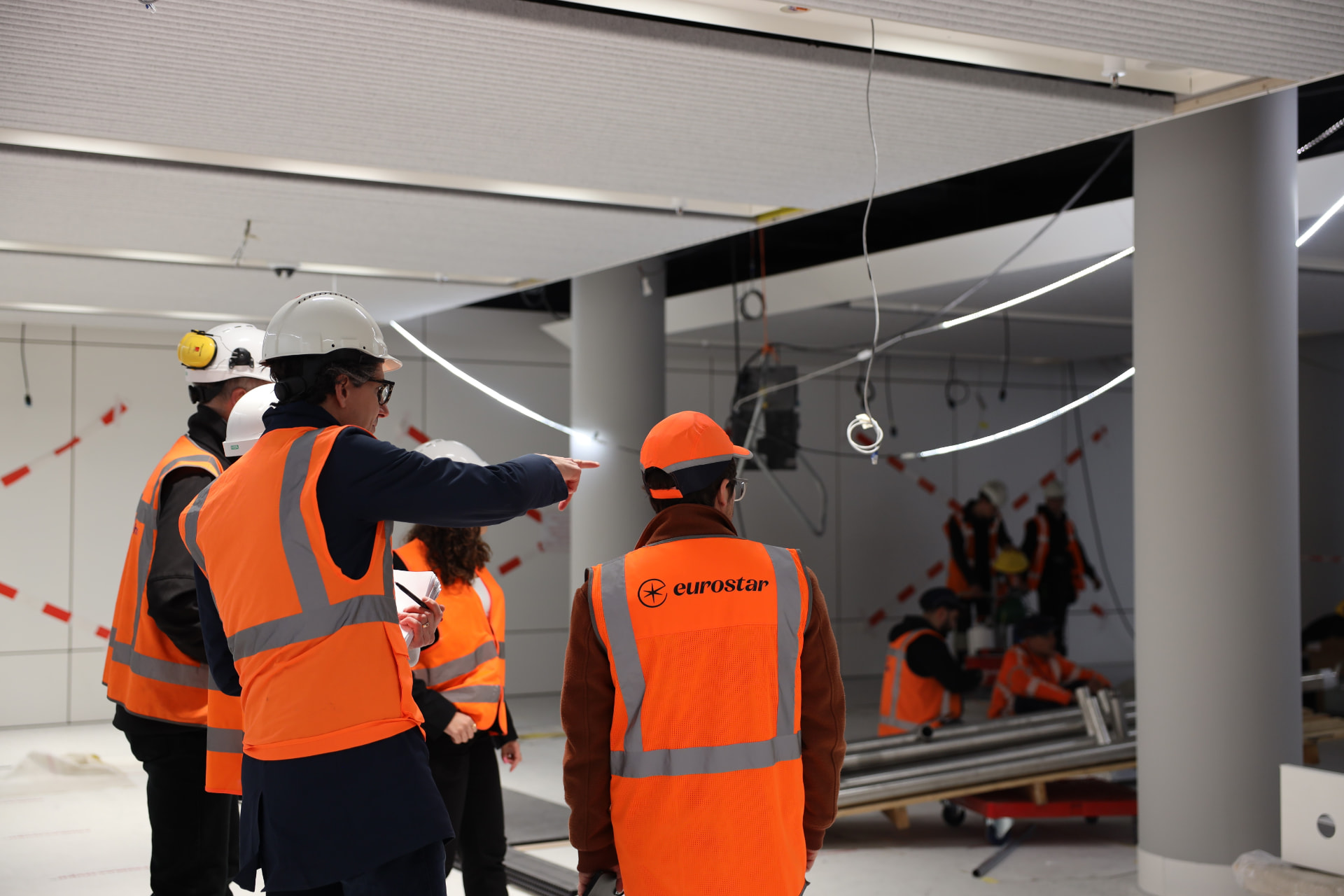
In my experience, the key to a successful building project therefore lies not only in the design, but above all in how different disciplines work together. On complex projects, such as the Eurostar UK Terminal at Amsterdam Centraal, I have experienced how important it is to connect design, engineering and construction. That conviction also forms an important foundation for the creation of Concept & Craft.
A design is never finished
Architecture begins with an ambition. An idea about how a space should function, feel and be used. But a design never exists in isolation. It must be translated into technical solutions, available materials, a realistic schedule and a workable construction method.
In a traditional building process, these responsibilities are often handed over in sequence. The architect designs, the engineer develops the technical design and the contractor constructs the building.
New considerations arise at every stage. That is inevitable and need not be a problem. But when parties work primarily from the perspective of their own discipline, design quality, buildability and cost control can come into conflict.
I therefore believe we need to approach the building process differently. Not as a succession of separate responsibilities, but as a continuous process in which different disciplines collaborate from the outset.
The most important question is not only how something should be built, but also why particular design choices were made.
Collaboration as part of the design
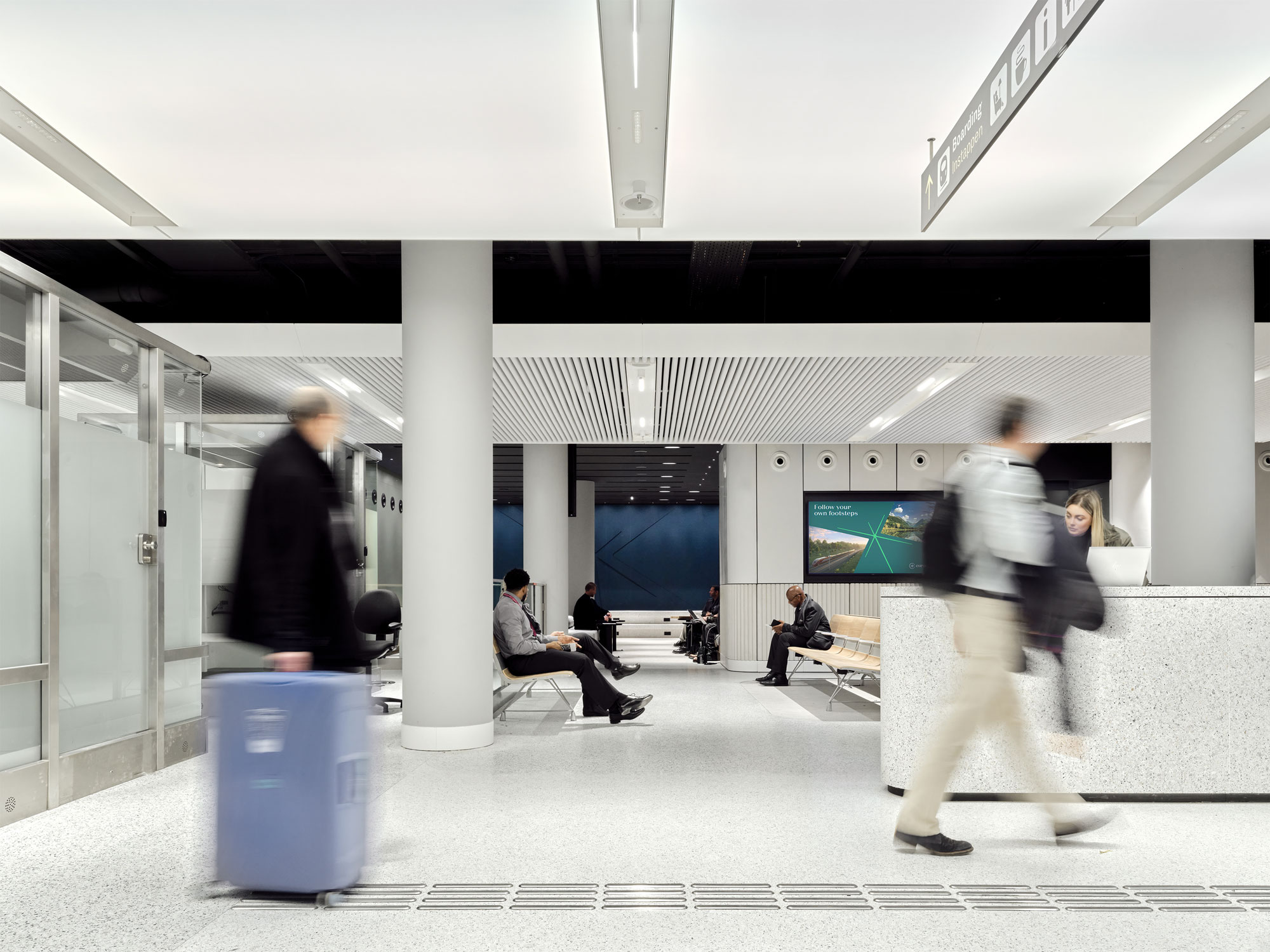
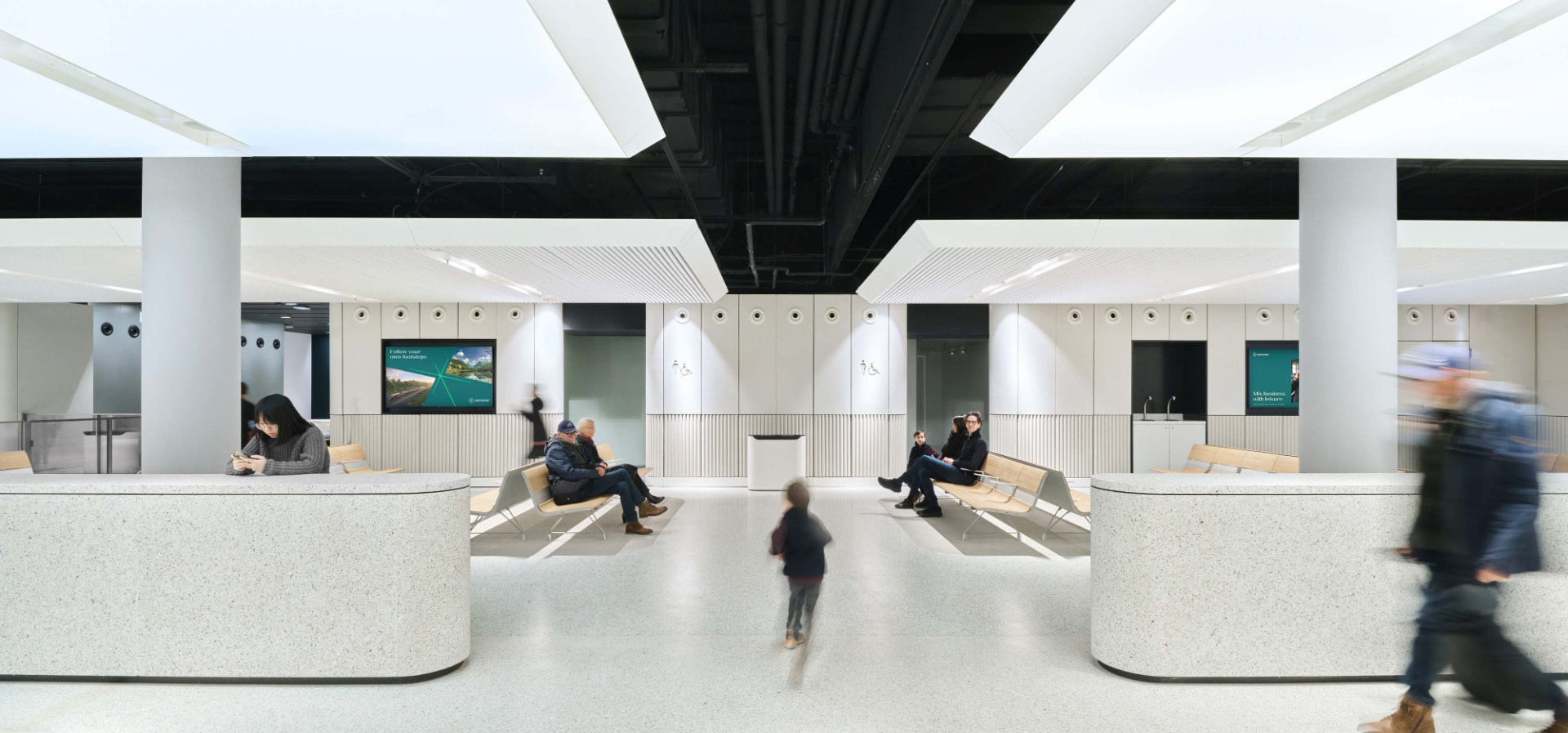
One project that made this particularly clear to me is the Eurostar UK Terminal at Amsterdam Centraal.
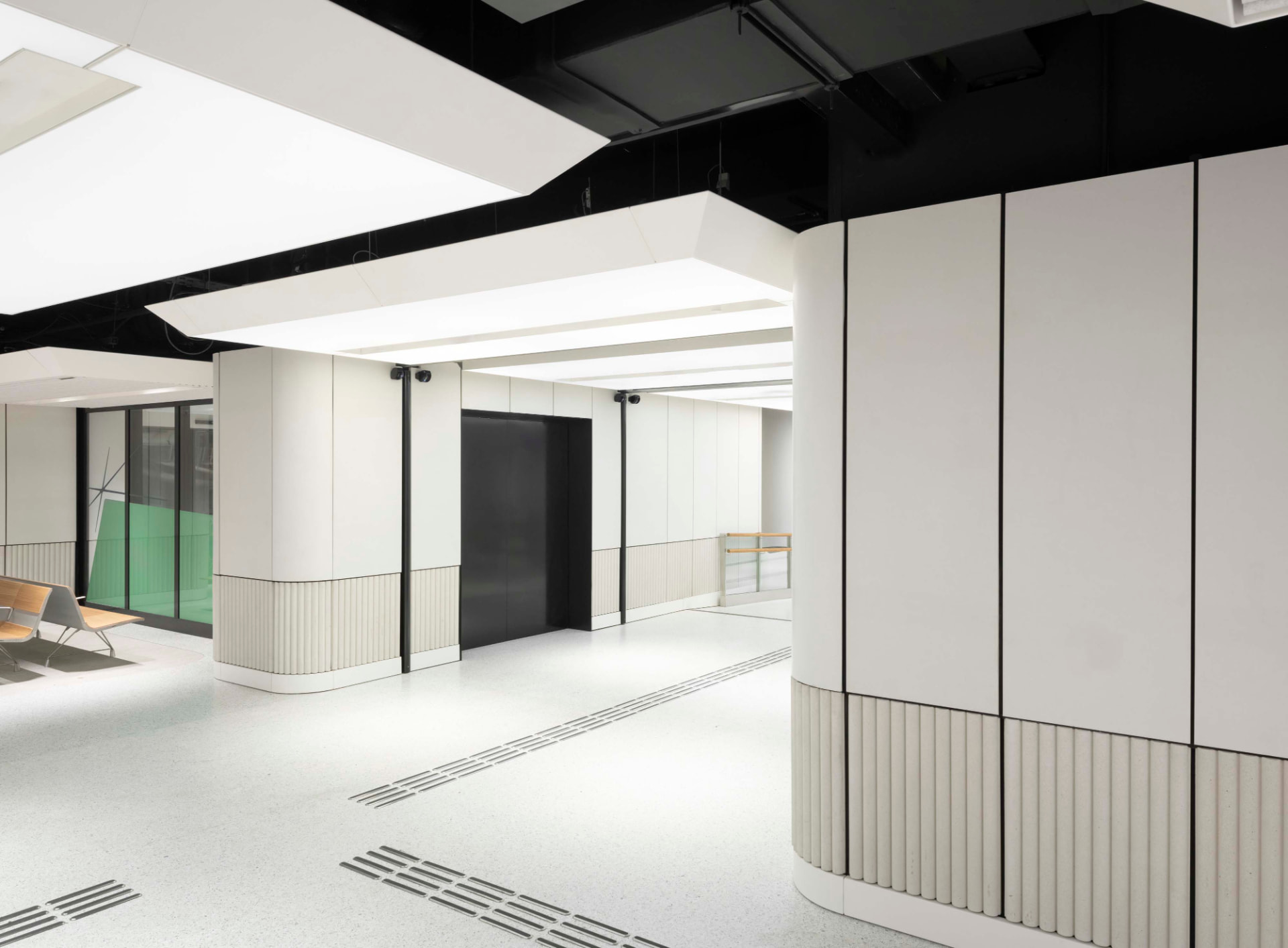
At Superimpose Architecture, we collaborated with ZJA Architects & Engineers on the terminal design. Superimpose was responsible for the interior design of the passenger area. After the contractor was selected, INBO joined the project for technical development and engineering.
It was a complex project involving many different parties, including Eurostar, NS Stations, ProRail, UK Border Force, architects, contractors and building services installers. Everyone had their own responsibilities and interests. Moreover, the project had to be delivered within a challenging schedule.
What has stayed with me most is how the collaboration with the engineers developed.
We had already developed the design in considerable detail. Yet INBO found ways to make certain solutions smarter and simpler without losing the original design intent.
That may seem obvious, but for me this is precisely the value of good engineering. Not simply building what an architect has drawn, but understanding why something has been designed in a particular way and then finding the best technical solution.
Sometimes proposals emerged during the process that genuinely improved the design. Not because the original solution was wrong, but because new technical insights led to better choices.
For me, that is the essence of collaboration: different areas of expertise that strengthen rather than constrain one another.
Buildability begins at the drawing board
One of the most important lessons from my experience is that buildability does not begin on the construction site.
Many decisions made during the design phase have direct consequences for construction. A material choice can affect lead times, a detail can affect installation costs and a spatial intervention can affect the building services.
When construction expertise is brought into the process only at a late stage, these consequences can lead to costly changes or compromises in the design.
By bringing architects, engineers and construction teams together earlier, these considerations can become part of the design process itself.
A complex detail, for example, can be simplified without losing spatial quality. An alternative construction method can shorten the building programme. And understanding costs during the design phase allows choices to be better aligned with the available budget.
This does not mean the architect should design less ambitiously. On the contrary, I believe technical knowledge and an understanding of construction can create opportunities for better architecture.
After all, a good design is not only beautiful or functional, but also logical, feasible and carefully built.
From individual interests to a shared ambition
A good building process requires more than technical knowledge. The way people work together is at least as important.
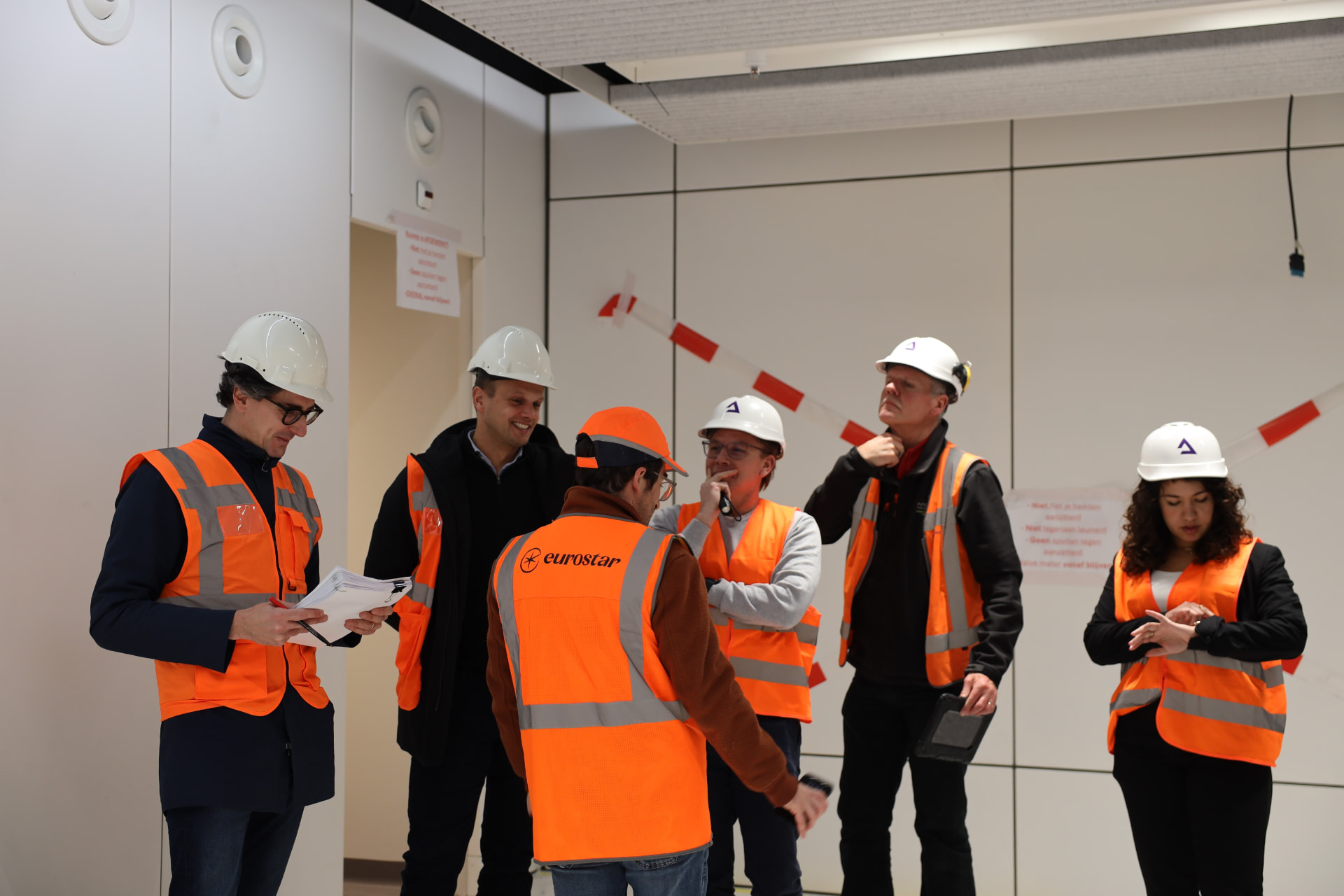
At the Eurostar UK Terminal, the interests of the different parties sometimes varied considerably. Yet a shared responsibility for the final result emerged during the project.
That requires trust and a willingness to question your own assumptions from time to time.
As an architect, you are accustomed to safeguarding design quality. That remains important, but it does not mean every original design decision must be preserved at all costs.
Sometimes you need to be willing to let something go in order to reach a better solution together.
Through my work on projects in China, I have experienced how valuable shared responsibility across different disciplines can be. Those experiences have helped shape my view of the design process.
During the construction of the Eurostar UK Terminal, I saw how valuable that shared commitment can be. Not only the architects, but also the engineers, contractors and suppliers increasingly took ownership of the result.
Ultimately, this created a situation in which everyone was proud of the building.
For me, this may be one of the most important measures of a successful project: when the contractor is proud of the design and the architect is proud of the construction.
Why we founded Concept & Craft
Experiences on projects such as the Eurostar UK Terminal have strengthened my conviction that the traditional separation between design and construction is not always the most effective way of working.
That does not mean a traditional building process is inherently less effective. There are many projects in which collaboration between separate parties works exceptionally well.
But I also see how many opportunities arise when different disciplines do not just collaborate, but genuinely form part of the same team.
That thinking led us to establish Concept & Craft.
With Concept & Craft, we bring architecture, engineering, project management and construction together within one integrated organisation. Not to replace the individual disciplines, but to connect their knowledge and experience more effectively.
The principle is simple: the people ultimately responsible for construction contribute to the design from the outset. And the designers remain involved in technical development and construction.
In doing so, we aim to keep the distance between design ambition and building practice as small as possible.
For clients, this can offer important advantages. Technical feasibility, costs and scheduling become clearer earlier in the process. Decisions can be coordinated more quickly with the right disciplines, and there is greater continuity between the different phases of the project.
But perhaps more importantly, it creates the opportunity to approach design quality and buildability as one shared challenge.
The process ultimately determines the quality
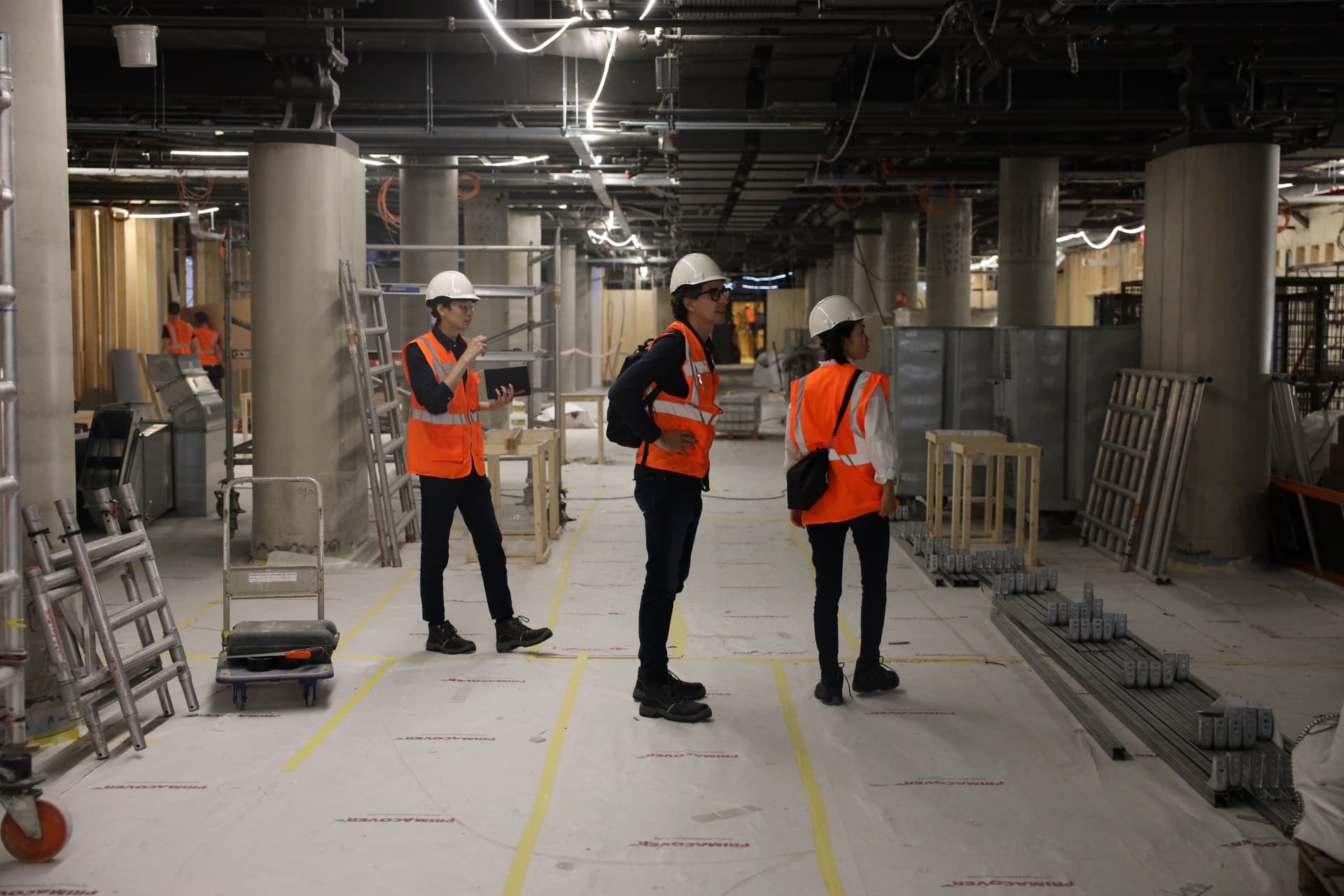
A building never turns out exactly as imagined in the first sketch. New insights, technical challenges and changing circumstances arise throughout the process. That is part of architecture and construction.
The question is not whether a design changes during the process, but how you respond to those changes.
Are decisions made separately, based on the interests of each discipline? Or is there a shared search for the best solution for the project?
I believe that is precisely where the difference is made.
A well-organised process creates room for technical knowledge, collaboration and improvement without losing sight of the original ambition.
Ultimately, it is not about constructing a design exactly as it was once drawn, but about creating the best possible building.